
Play-based curriculum supports young children’s academic achievement and autonomy. Various theories and research support play-based curriculum as a vehicle for learning and development in all domains of young children.
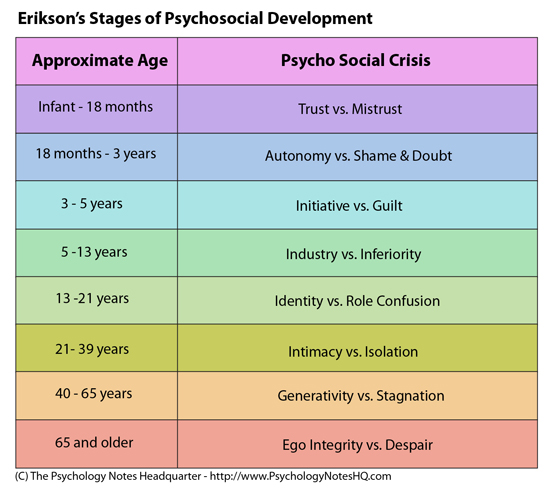
Autonomy versus shame and doubt is the second stage of Erik Erikson’s stages of psychosocial development. This stage occurs between the ages of 18 months to approximately 3 years. The infant develops a sense of personal control over physical skills and a sense of independence. Erikson states it is critical that parents allow their children to explore the limits of their abilities within an encouraging environment which is tolerant of failure. Success leads to feelings of autonomy, failure results in feelings of shame and doubt. The third stage, initiative vs. guilt, occurs during the preschool years, between the ages of three and five. The child begins to assert control and power over their environment by planning activities, accomplishing tasks and facing challenges. Success at this stage leads to a sense of purpose. If initiative is dismissed or discourages, either through criticism or control, children develop a sense of guilt.
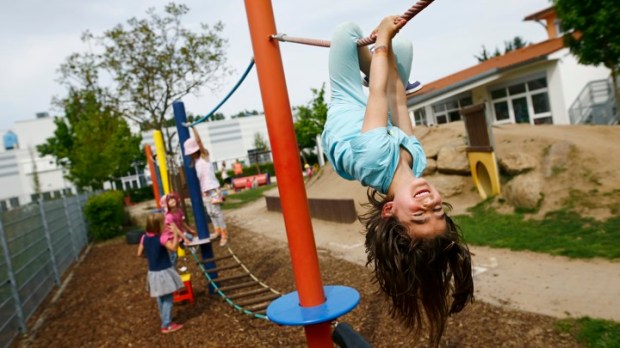
Skills like problem solving, creativity, interact with other children, self-expression, and willingness to take risks are learned through play. Guided play scaffolds young children’s development and that it might prime critical neural mechanisms to make healthy adaptations and helps children develop an understanding of how the world works.
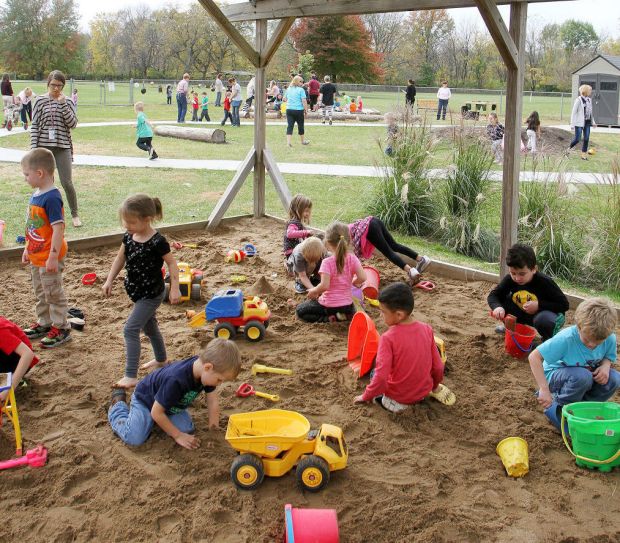
Play is a wonderful metaphor for active, engaged, meaningful, and socially interactive learning. Play also prepares children to become social, caring, thinking, and creative citizens. Outdoor play is essential to whole child development because integrated whole child approaches, indoor and outdoor playful learning, built and natural playgrounds, and hands-on projects all support healthy and happy child development.
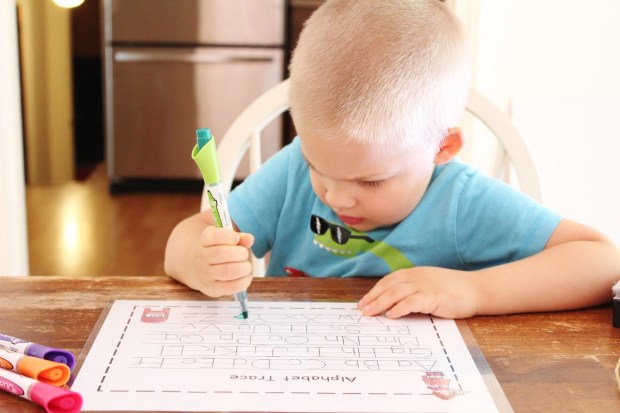
There are two fundamental problems with worksheets for young children:
- young children do not learn from them what teachers and parents believe they do
- children’s time should be spent in more beneficial endeavors
The use of abstract numerals and letters, rather than concrete materials, puts too many young children at risk of school failure. This has implications for years to come. Worksheets and workbooks should be used in schools only when children are older and developmentally ready to profit from them.
Play-based, developmentally appropriate curriculum supports children’s learning of important knowledge, skills, and attitudes that will help them be successful in school and later life.
References:
http://www.earlychildhoodnews.com/earlychildhood/article_view.aspx?ArticleID=134
https://www.naeyc.org/resources/pubs/yc/jul2017/outdoor-play-child-development
 Cultural Competence ToolBox