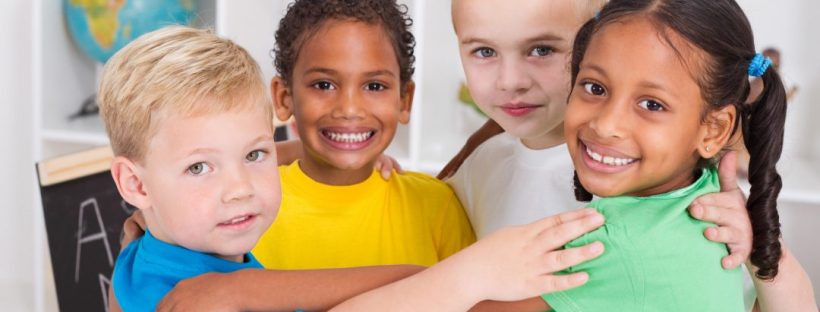
Anti-bias curriculum is an approach to early childhood education that sets forth values-based principles and methodology in support of respecting and embracing differences and acting against bias and unfairness. Anti-bias teaching requires critical thinking and problem solving by both children and adults. The overarching goal is creating a climate of positive self and group identity development, through which every child will achieve her or his fullest potential.
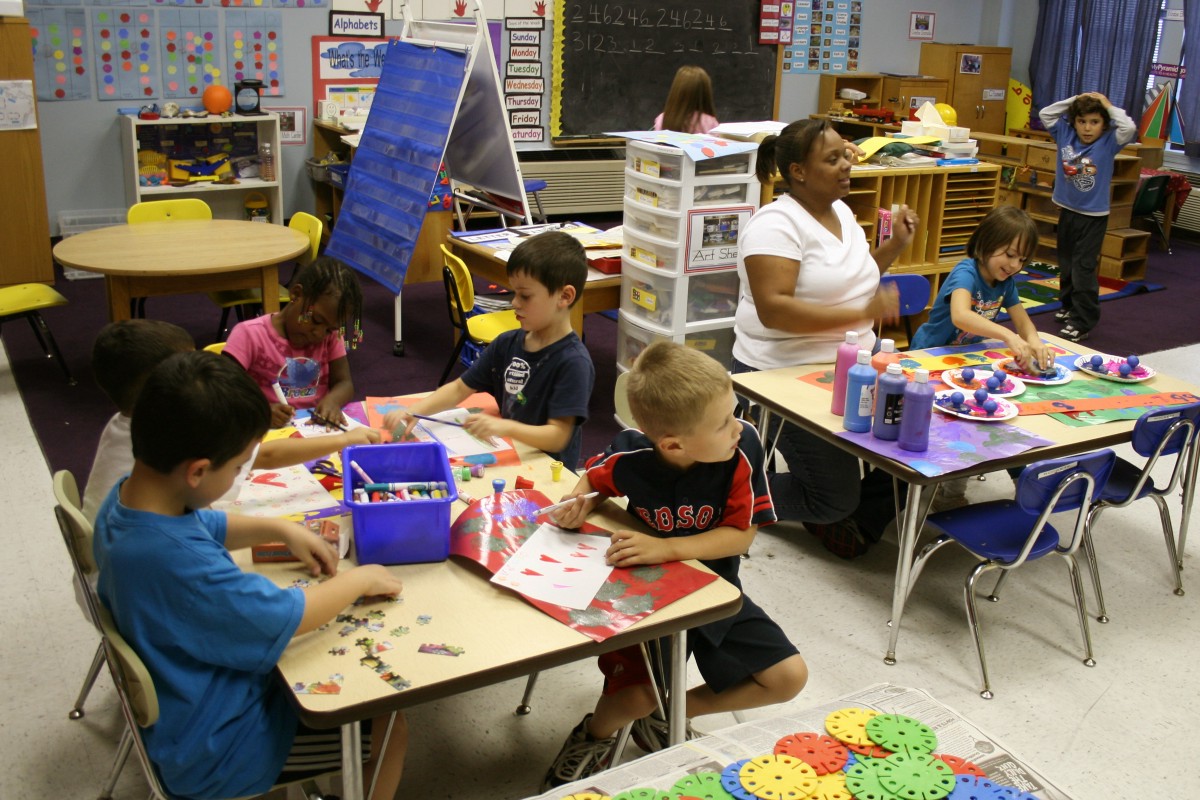
Some California preschools are getting children to participate in conversations about racial differences at an early age by introducing an anti-bias curriculum that teaches kids about diversity and inclusion.
The Four Core Goals of Anti-Bias Education
Goal 1: Each child will demonstrate self-awareness, confidence, family pride, and positive social identities.
Goal 2: Each child will express comfort and joy with human diversity; accurate language for human differences; and deep, caring human connections.
Goal 3: Each child will increasingly recognize unfairness, have language to describe unfairness, and understand that unfairness hurts.
Goal 4: Each child will demonstrate empowerment and the skills to act, with others or alone, against prejudice and/or discriminatory actions.
The Vision of Anti-Bias Education
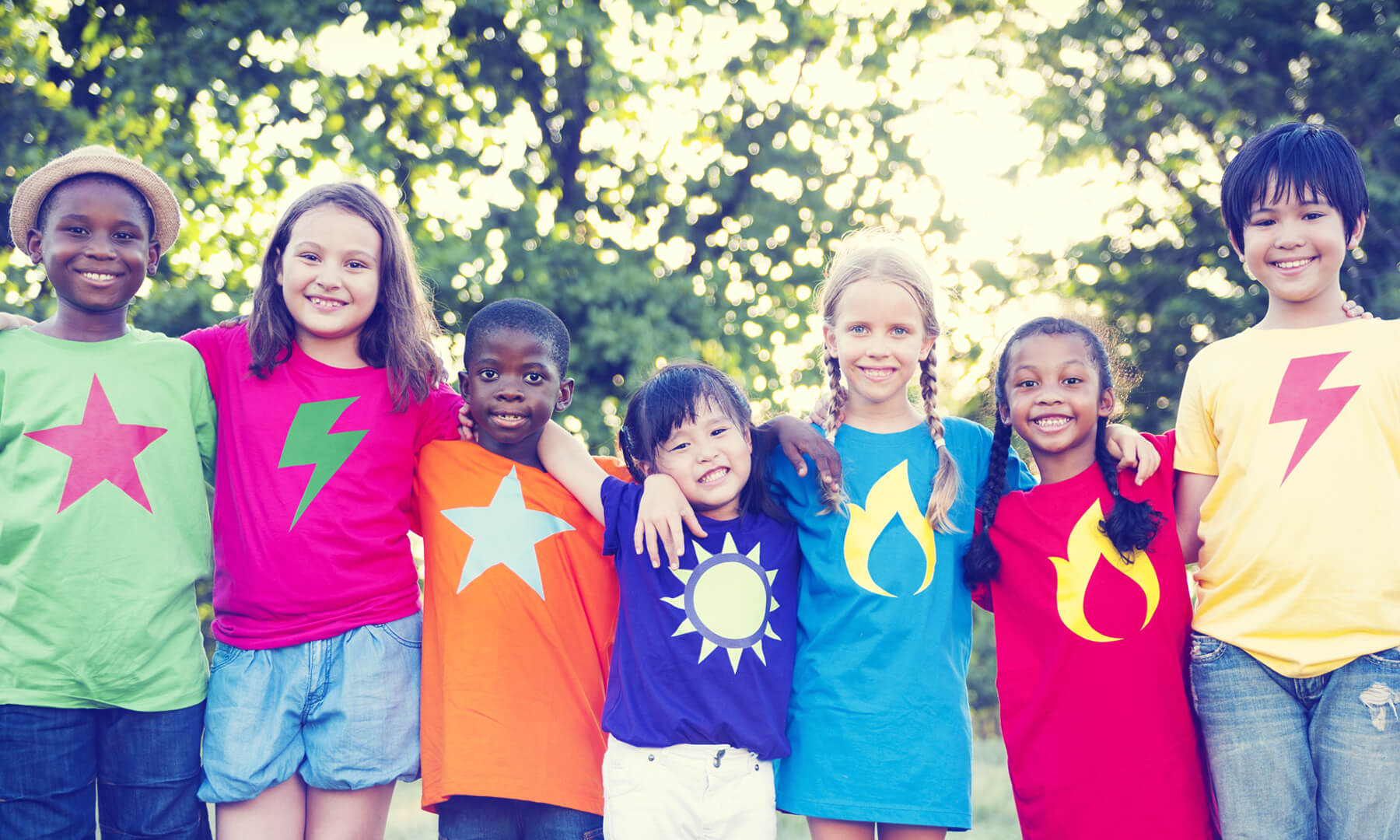
The heart of anti-bias work is a vision of a world in which all children are able to blossom, and each child’s particular abilities and gifts are able to flourish. In this world:
- All children and families have a sense of belonging and experience affirmation of their identities and cultural ways of being.
- All children have access to and participate in the education they need to become successful, contributing members of society.
- The educational process engages all members of the program or school in joyful learning.
- Children and adults know how to respectfully and easily live, learn, and work together in diverse and inclusive environments.
- All families have the resources they need to fully nurture their children.
- All children and families live in safe, peaceful, healthy, comfortable housing and neighborhoods.
This vision of anti-bias education also reflects the basic human rights described in the United Nations (1989) Declaration of the Rights of the Child:
- The right to survival.
- The right to develop to the fullest.
- The right to protection from harmful influences, abuse, and/or exploitation.
- The right to participate fully in family, cultural, and social life.
In order for children to receive all these rights, their society, their families, and those responsible for their care and education must work to provide everything that each child needs to flourish. A worldwide community of educators shares the vision toward which anti-bias education strives. They adapt its goals and principles to the needs of children and families in their specific contexts.
References:
https://www.naeyc.org/resources/topics/anti-bias-education/overview
 Cultural Competence ToolBox